Daytime solar pumping
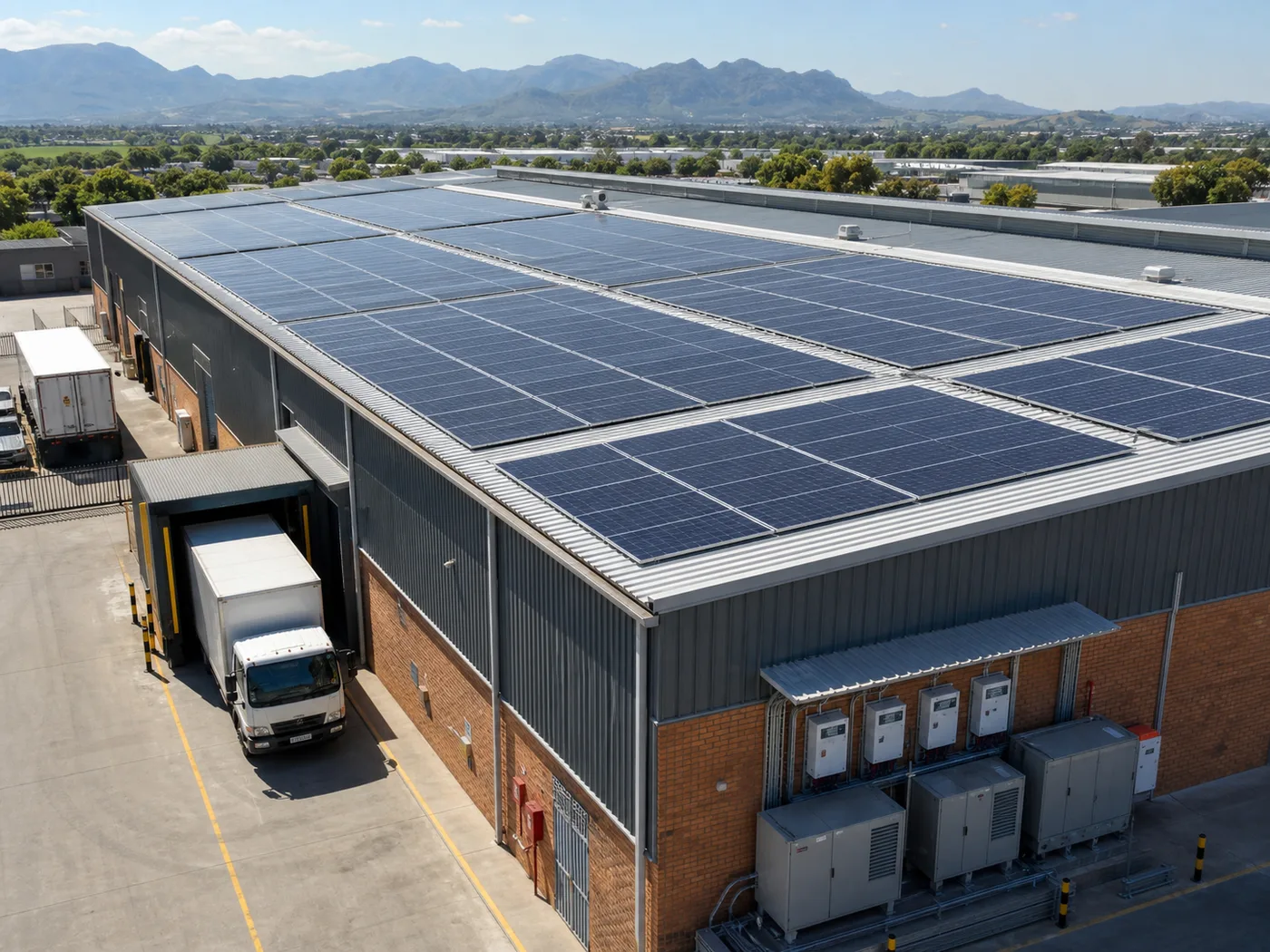
Use available solar generation to fill a tank while the sun is up. This can reduce battery size when water demand is predictable.
Best when the pump can run during the day.
Yes, often—but a borehole is a motor load, not just another plug. The right design must account for starting current, pumping hours, water storage and the rest of the home.
A borehole pump may draw modest power while running but demand a much larger surge when it starts. That starting behaviour is why a system that comfortably runs lights and a fridge can still trip when a pump kicks in. The installer needs the pump's rated power, starting method, depth, flow requirement, pipe run and daily schedule before recommending an inverter or battery.
Solar can support a pump in several ways. Panels can run it directly during sunny hours, a hybrid inverter can coordinate solar and grid power, and a battery can cover the pump when it must operate outside the solar window. In many homes, the most economical design is to pump into a storage tank during the day and use that stored water later, rather than buying a very large battery solely to run a motor at night.
Use available solar generation to fill a tank while the sun is up. This can reduce battery size when water demand is predictable.
Best when the pump can run during the day.
Add storage when the pump or household needs to operate after sunset or during an outage. The battery must be sized for the motor and its starting demand.
Best when water access is critical outside daylight hours.
Let solar carry the daytime load while the grid supports the pump during poor weather or high-demand periods. This can be more practical than designing for complete off-grid independence.
Best when reliability and sensible cost matter more than total grid independence.
Do not size a borehole system from the pump label alone. A qualified installer should check whether the inverter can handle the motor, whether the pump is on a suitable circuit, whether the tank gives you a useful buffer, and whether the proposed battery has enough usable energy after its reserve and conversion losses.
A quote should show what happens when the pump starts while the fridge, Wi-Fi, security system or geyser is already running. Ask which loads are backed up, whether the pump is included in the outage design, how the battery is protected from deep discharge, and whether future panels or storage can be added.
SolarGuide can route a residential enquiry to Alumo or Wetility. Alumo offers several ownership and finance routes; Wetility focuses on managed subscription solar. Neither quote should be treated as final until the installer has reviewed the pump and property details.
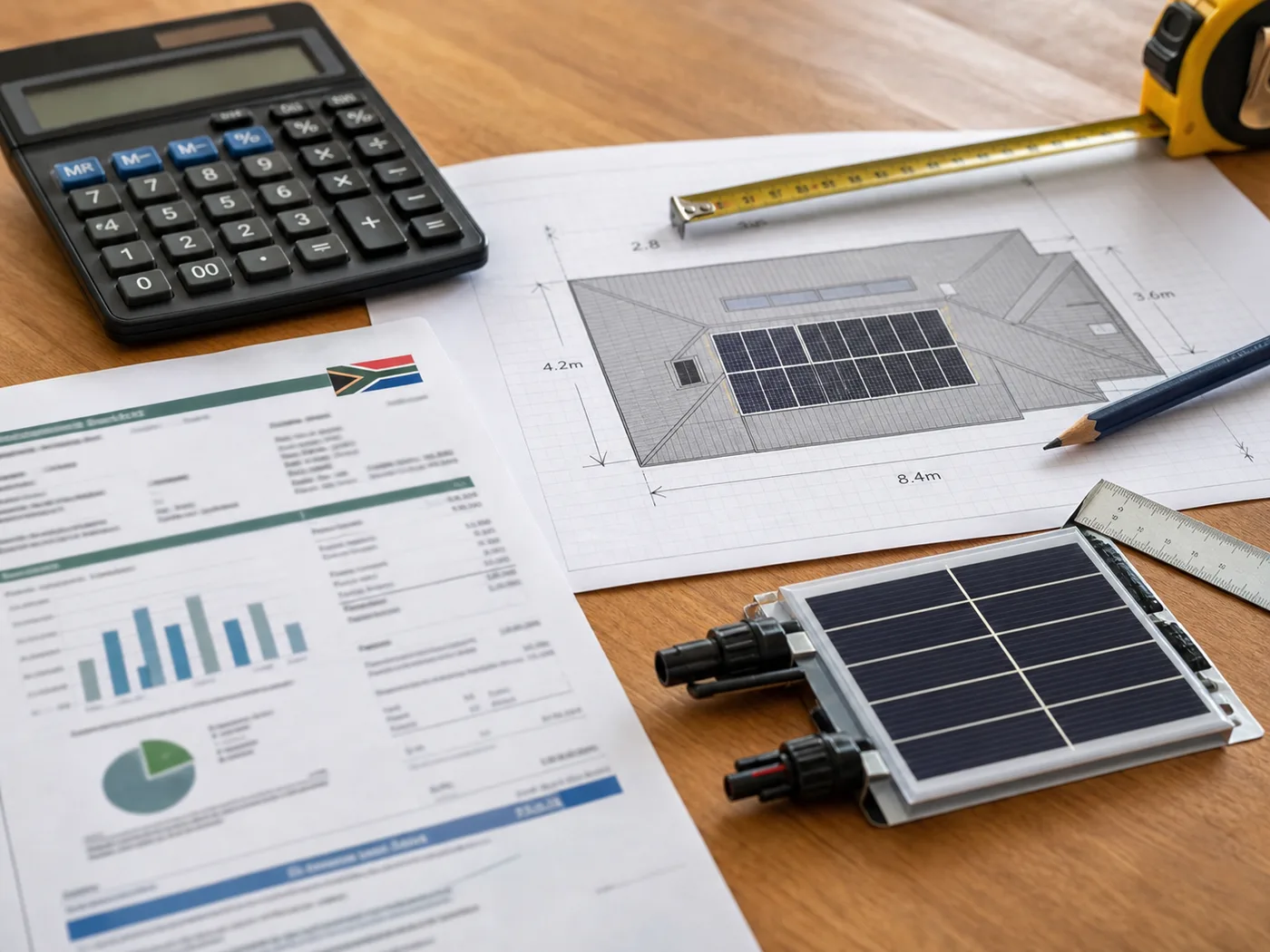
Share the pump details, water needs and household loads so the installer can size the full system properly.
Mon–Fri 8am–5pm · Sat 8am–1pm · Free quote across South Africa