Why north is king in South Africa
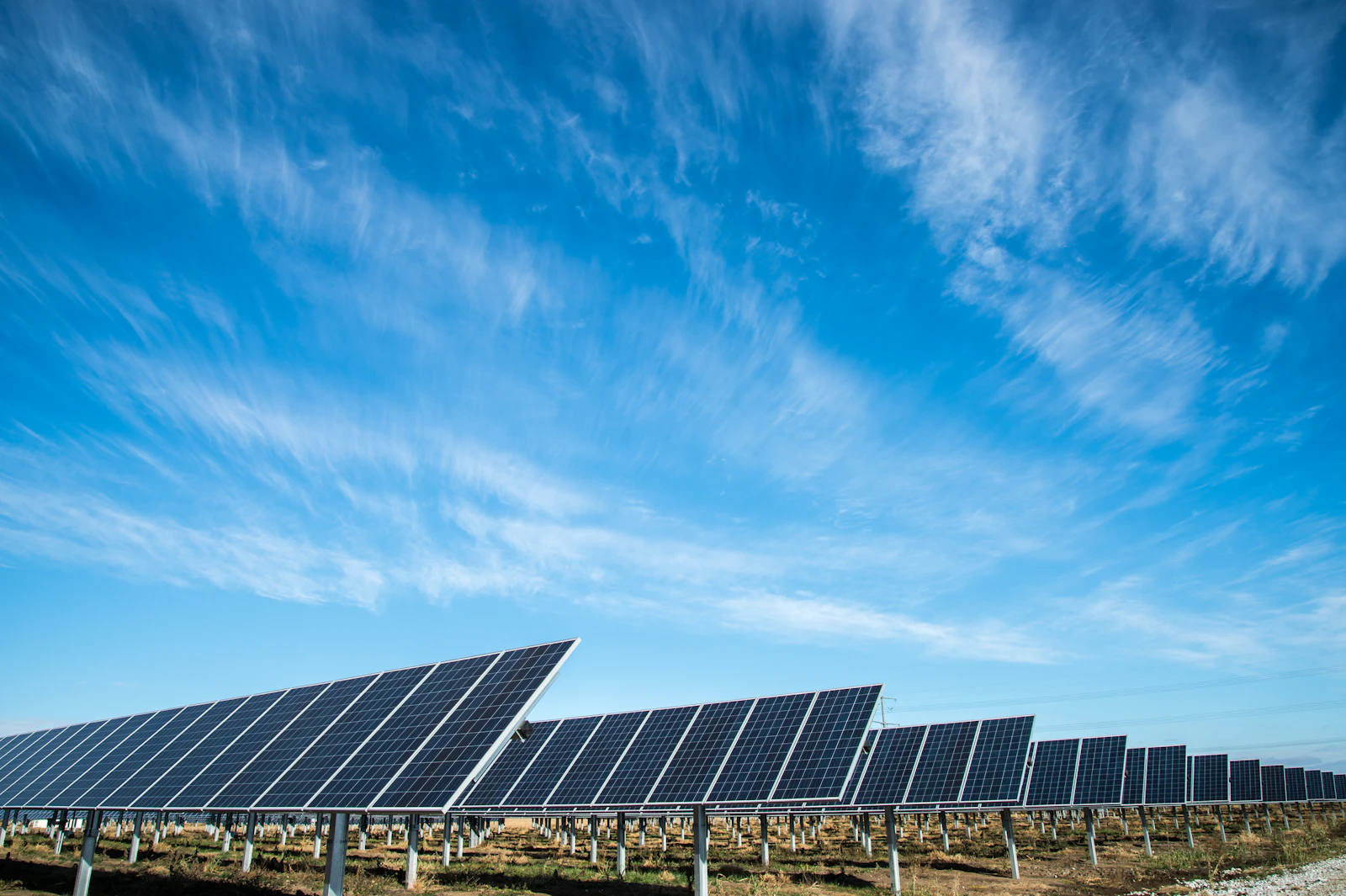
In the southern hemisphere the sun spends the day in the northern half of the sky, arcing from east in the morning, across the north at midday, to west in the evening. A panel laid to face north aims straight into that path, so it collects strong, direct sunlight for the greatest share of daylight hours. This is why, across Cape Town, Johannesburg, Durban, Pretoria and everywhere between, north-facing is the gold standard for a fixed solar array.
The difference isn't trivial. A north-facing array meaningfully out-produces the same panels facing south, and edges out east or west facing too. If you have a clear north-facing roof, that's where your panels belong. It's the single most important orientation fact for South African solar, and the reason installers prize north roof above all.
South-facing is the weakest hand. Panels facing south sit away from the sun's path and generate considerably less, especially in winter when the sun sits lower and further north. A large south-facing roof can be nearly unproductive while a modest north face carries the system, which is a good reason not to judge roof space by area alone.
The right angle
Orientation is which way panels face; tilt is how steeply they lean back from flat. The two work together.
The latitude rule of thumb
A reliable starting point is to tilt your panels at an angle roughly equal to your latitude. South African cities sit at latitudes in the mid-20s to mid-30s of degrees, so tilts in the region of 25° to 34° suit most of the country: a little shallower up north around Polokwane, a little steeper down in the Cape. At that angle the panels sit close to perpendicular to the sun averaged across the year, which maximises annual energy harvest.
Conveniently, many South African pitched roofs already sit at a tilt in this neighbourhood, so panels laid flush to the roof are often close to ideal without any extra framing. On a flat roof, installers use tilted mounting frames to lift the panels to a productive angle and face them north.
East–West
spreads morning & evening power
Tuning the angle to a season
You can nudge the angle to favour a season. A steeper tilt (a few degrees more than your latitude) catches the low winter sun better and lifts winter output, which appeals if load-shedding and demand peak in the colder, darker months. A shallower tilt favours the high summer sun. For most homes a year-round compromise near latitude is the sensible choice, since chasing one season sacrifices another, and the annual difference from small tilt changes is modest.
Not sure which system you need?
Get a free, no-obligation quote — sized to your home, your usage and your budget. It only takes a minute.
Get your free quote →When to break the north rule
The north-facing rule is strong, but real homes and real habits sometimes justify a different plan, and a good designer knows when.
East-west for morning and evening power
If your roof has no good north face, or you want generation shaped around when you actually use power, an east-west split can be excellent. Panels on the east catch the morning sun; panels on the west catch the late afternoon and early evening. Instead of one tall midday peak, you get a broader, flatter generation curve that better matches a household drawing power at breakfast and again after work. For homes running air conditioning into the evening, or wanting to lean on the grid less later in the day, west-facing panels can be genuinely valuable.
Working with the roof you have
Sometimes the deciding factor is simply avoiding shade or fitting the array onto the good, unobstructed portion of the roof. A slightly sub-optimal orientation in full sun beats a "perfect" orientation under a tree or behind a chimney every time. Spreading panels across two or three faces also spreads generation across the day, which many homes prefer. The skill is matching the array to your roof and your usage, not dogmatically chasing due north. Get a free Alumo quote →
Don't over-optimise
Here's the freeing part: getting close to optimal captures almost all the benefit. Solar panels are forgiving. A panel facing north-east or north-west instead of dead north loses only a small slice of output. A tilt a handful of degrees off ideal barely registers over a year. The penalty for reasonable deviations is small, so you shouldn't agonise, or pay a premium to force a fractionally better angle.
Where it does pay to be careful is avoiding the genuinely bad choices: heavy shading, or dumping the whole array on a south face when north or east-west roof was available. Those are the costly mistakes. Fine-tuning between good options matters far less. A competent assessor weighs your roof faces, the shading through the day, and when you use power, then lays out an array that captures the vast majority of what's achievable. That practical judgement beats a spreadsheet chasing the last percent.
Every Alumo package includes this professional layout design as part of the install. The panel count is set, but where and how those panels sit on your roof is engineered to your orientation and shading. The popular Gold "The Power Bae" (Sunsynk 5kW, 5.32kWh battery, six panels, from around R2,423/month), for instance, gives the designer six panels to place across your best-facing, least-shaded roof for the strongest year-round yield.
R2,423/mo · 3-year rent-to-own
- • Sunsynk 5kW
- • Sunsynk 5.32kWh · ~5 hours backup
- • 6 panels
Get a free quote →Frequently asked questions
Which direction should solar panels face in South Africa?
North. Because South Africa is in the southern hemisphere, the sun tracks across the northern sky, so north-facing panels catch the most direct sunlight across the day and generate the most energy. North-facing is the prime orientation everywhere in the country. East and west are good alternatives; south-facing is the least productive.
What is the best angle for solar panels in South Africa?
A tilt roughly equal to your latitude works well as an all-round angle — that means about 25° to 34° for most South African cities, a little shallower up north and steeper toward the Cape. Many pitched roofs already sit near this angle. A slightly steeper tilt favours winter output, a shallower one favours summer.
Is it worth putting panels on an east or west facing roof?
Yes, often. East-west facing panels spread generation across the morning and evening rather than peaking at midday, which suits households that use most of their power early and late in the day. If you have no good north-facing roof, an east-west split is a strong option and captures most of the potential output.
Do south-facing solar panels work at all?
They work, but poorly compared with other directions. South-facing panels sit away from the sun's path in the southern hemisphere and generate considerably less, especially in winter. Installers avoid south-facing roof where any north, east or west facing space is available. It is the least productive orientation in South Africa.
Who decides the best layout for my roof?
SolarGuide is an independent referral partner. Alumo carries out the site assessment — evaluating your roof's orientation, tilt, shading and your usage pattern — then designs, supplies, installs, finances and warrants the system for the best real-world output. All pricing is indicative and subject to that assessment and credit approval. We simply help you compare and get a free quote. Get a free Alumo quote →
SolarGuide is an independent referral partner. We help you compare options and arrange a free quote — Alumo supplies, installs, finances and warrants the systems. Pricing is indicative, sourced from Alumo’s published catalogue, and subject to a site assessment and credit approval.