What each option actually includes
Let us be precise about what we are comparing, because the terms get used loosely.
A battery-backup-only system is an inverter plus a battery, with no solar panels (or very few). The battery charges from the grid — typically overnight or between load-shedding slots — and then powers your essential circuits when the grid goes down. It is, in effect, a large, whole-home, automatic UPS. When Eskom takes the lights, yours stay on.
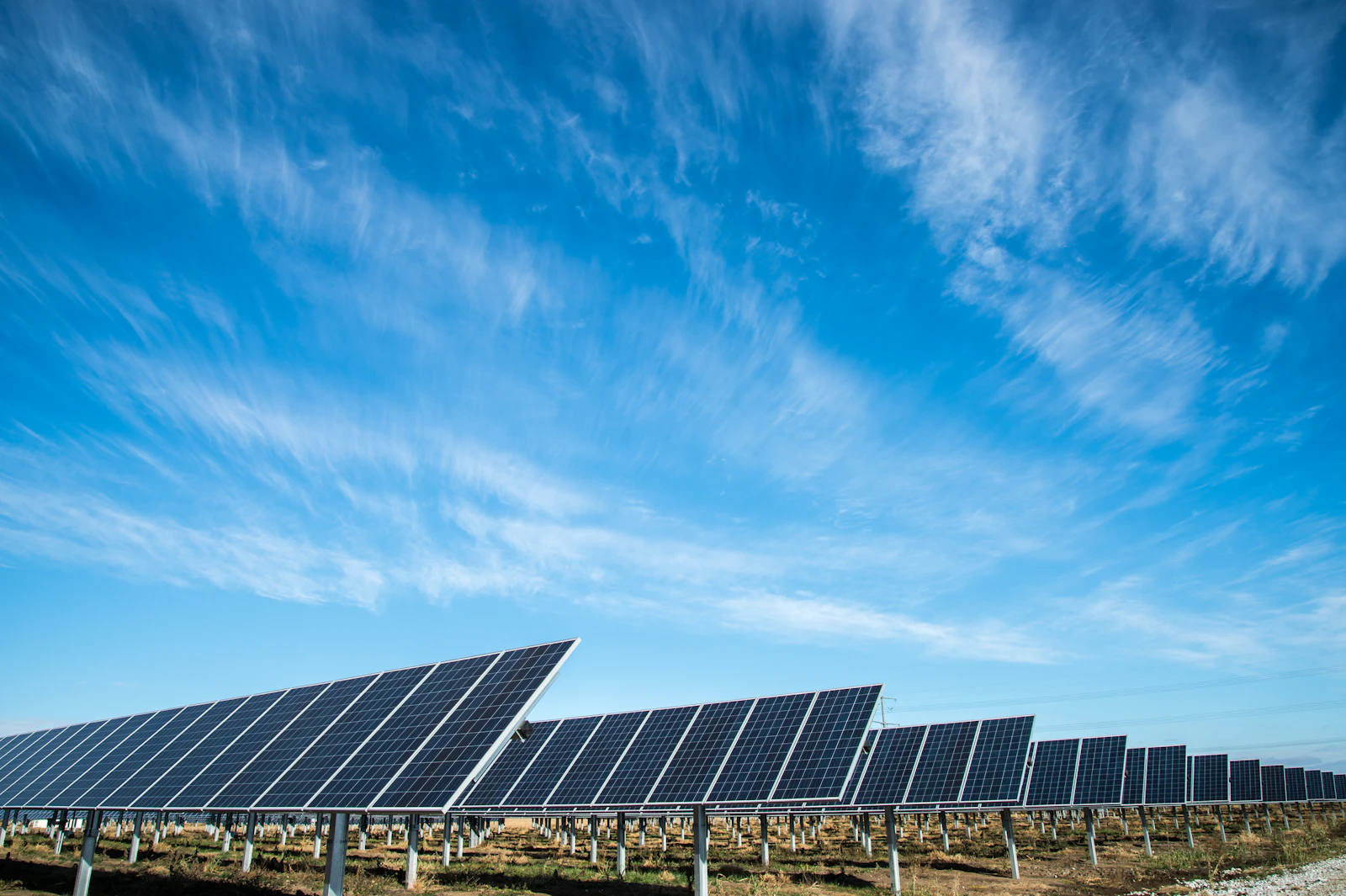
A full solar system adds panels to that inverter and battery. Now the panels generate free electricity during the day, running your home directly, charging the battery, and reducing what you pull from the grid. You still get the load-shedding backup — but you also start saving money every sunny day, because a chunk of your consumption no longer comes from Eskom.
The crucial common ingredient
Here is the detail that makes the whole decision low-risk: both setups are usually built around a hybrid inverter. Because a hybrid inverter is designed to manage solar, battery and grid together, you can install it with a battery now and simply add panels later without replacing the core of your system. That means "battery first, solar later" is a genuine, sensible phasing strategy rather than a dead end — a point we will come back to.
The case for starting with battery backup
The strongest argument for battery-first is simple: it targets the pain you feel most. If your motivation is "I just want load-shedding to stop ruining my evenings," a battery and inverter deliver exactly that, usually at a lower entry cost than a full system with panels.
It is also faster and simpler to install, and it works regardless of your roof. If your roof is shaded, awkwardly oriented, or you are in a complex where panel installation needs extra approvals, a battery-backup system sidesteps those questions entirely for now. And because the hybrid inverter is already in place, you keep the door wide open to add panels the day your budget or circumstances allow.
Not sure which system you need?
Get a free, no-obligation quote — sized to your home, your usage and your budget. It only takes a minute.
Get your free quote →What battery-only does not do
The honest limitation is that a battery charged from the grid does not save you money — you are still buying that electricity from Eskom to store it. It shields you from outages, but your bill stays roughly where it was, and grid tariffs only tend to climb. So battery-only is best understood as buying resilience now, with savings as a deliberate second phase.
The case for going full solar from the start
The argument for the full system is that it solves both problems at once and starts paying you back sooner. Every sunny day, your panels run the home and charge the battery for free, so you are cutting your grid consumption from day one instead of postponing it. Over the years, those daily savings offset the system's cost — something a battery-only setup never does.
There is a financial-structure angle too. Because modern solar is usually bought on a monthly plan rather than a lump sum, a full system often lands as a manageable monthly figure that sits against what you were already spending on electricity, plus what you lose to load-shedding. For many households, doing it all at once on a single plan is simpler than phasing, and it means the savings clock starts ticking immediately. There can also be a tax incentive for qualifying installations under Section 12B for those it applies to, which is worth raising with your installer.
Get a free quote →
When full solar makes the most sense
Full solar is the natural choice if reducing your electricity bill is a real motivation — not just surviving outages — if you have a suitable roof, and if you would rather complete the project in one go than manage a two-stage upgrade. For most homeowners who can accommodate the monthly plan, it is the option that delivers the most value over the life of the system.
How to choose your starting point
Strip it back to three questions. What is driving you — pure load-shedding resilience, or resilience plus savings? What can you commit now — the lowest entry cost, or a monthly plan for the fuller system? How do you prefer to phase it — start small and grow, or do it once and be done?
If your answer leans toward "stop the load-shedding pain cheaply and grow later," a battery-backup system on a hybrid inverter is a smart, future-proof first step. If it leans toward "solve everything and start saving now," full solar is the stronger play. There is no wrong answer, only a fit.
Alumo's range is built to suit either path. The entry Bronze "Watt-a-Deal" — a Sunsynk 3.6kW hybrid inverter, a 3.6kWh battery and four panels from around R1,911/month — is a compact full-solar starting point for a smaller home, while its hybrid inverter leaves room to expand. For households that want to stretch the entry cost differently, the Subscription "Hot Deal" (AlphaESS 5kW, 3.6kWh, four panels) starts from about R1,299/month and can be cancelled after 24 months, and the 7-year rent-to-own "BrightStart" (Solis 5kW, Eenovance 5.3kWh, three panels) starts from around R1,339/month — both lowering the monthly barrier to getting started.
R1,911/mo · 3-year rent-to-own
- • Sunsynk Powerlynk X — 3.6kW
- • Sunsynk 3.6kWh · ~3 hours backup
- • 4 panels
Get a free quote →Whichever way you lean, the decisive move is the same: get your home assessed. An installer can look at your roof, your load-shedding schedule, your bill and your budget, and tell you which starting point genuinely serves you — and how cleanly you can grow from it. That turns an abstract "backup versus full solar" debate into a concrete plan with real numbers.
Frequently asked questions
Can I start with battery backup and add solar panels later?
Yes, and it is a common, sensible approach. Because these systems are usually built around a hybrid inverter that already handles solar, you can install a battery now and add panels later without replacing the core of the system. That makes battery-first a genuine phasing strategy rather than a dead end.
Does a battery-only system save me money?
Not on its own. A battery charged from the grid shields you from load-shedding but still relies on electricity you buy from Eskom, so your bill stays roughly the same. Savings come from adding solar panels, which generate free daytime power — which is why many people add panels as a second phase.
Is full solar worth the extra cost over battery backup?
If reducing your electricity bill matters to you and you have a suitable roof, usually yes. Full solar delivers both load-shedding backup and ongoing savings from free daytime power, and on a monthly plan it starts offsetting your grid spend immediately rather than postponing it.
What is the cheapest way to get started?
The lowest entry point is typically a smaller system on a monthly plan. Options like a subscription plan you can cancel after 24 months, or a longer rent-to-own, lower the monthly barrier. The right choice depends on your budget and goals, which a free quote and site assessment can clarify.
Who supplies, installs and warrants the system?
SolarGuide is an independent referral partner. Alumo supplies, installs, finances and warrants the systems, and all pricing here is indicative and subject to a site assessment and credit approval. We simply help you compare and get a free quote. Get a free quote →
SolarGuide is an independent referral partner. We help you compare options and arrange a free quote — Alumo supplies, installs, finances and warrants the systems. Pricing is indicative, sourced from Alumo’s published catalogue, and subject to a site assessment and credit approval.