The Highveld advantage
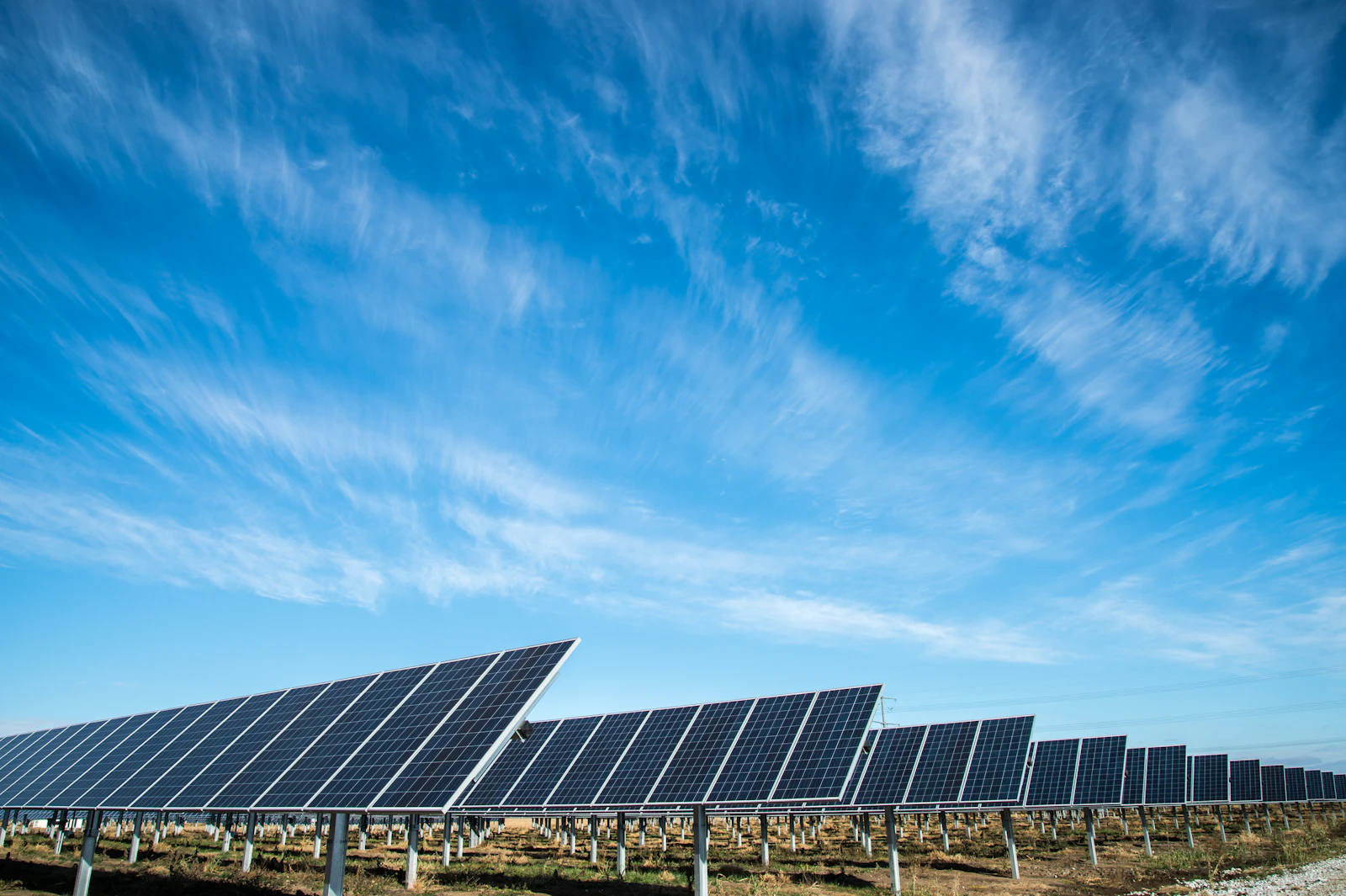
Johannesburg sits high and dry, and it shows in the solar numbers. The Highveld enjoys long stretches of clear, sunny days, and crucially the winter — when other regions struggle — stays bright. Where Cape Town battles wet Junes and Julys, Joburg's coldest months are also some of its sunniest, which means solar production holds up far better through the season when you're leaning on your geyser and heaters.
That doesn't make winter free of challenges. Days are shorter, the sun sits lower, and cold mornings can bring frost. But compared with the coastal cities, the Highveld's dry winter is a genuine gift for solar owners, and it's why Joburg systems often deliver strong, consistent output across the year.
Summer storms are less of a problem than they look
Highveld summers bring dramatic late-afternoon thunderstorms. They're spectacular, and yes, a heavy cloud build-up cuts generation for an hour or two. But these storms are typically brief, they usually roll in after the peak solar window, and the mornings are often crystal clear. Across a full month, they barely move the needle. A properly sized system with a battery rides through them comfortably.
The rules: registering with City Power
In Johannesburg, a grid-tied solar system must be registered with City Power (or your relevant municipal distributor) as a Small-Scale Embedded Generator. This applies to any system that can operate in parallel with the grid, regardless of whether you intend to export power.
Registration means using approved inverter equipment, having the installation certified by a registered professional with a Certificate of Compliance, and — in most cases — a change to a compliant bi-directional meter. A reputable installer treats this paperwork as part of the job, submitting the application and handling the technical requirements so you're not left decoding City Power's process yourself.
Why compliance matters
An unregistered grid-tied system can back-feed the network in ways that endanger municipal workers during maintenance, and it can create headaches with your insurer or when you sell the house. Registering protects you on all those fronts and keeps you on the right side of the regulations. It's a small amount of admin for a lot of peace of mind — and if you'd rather not deal with it, Get a free quote → and the paperwork is handled for you.
Not sure which system you need?
Get a free, no-obligation quote — sized to your home, your usage and your budget. It only takes a minute.
Get your free quote →What it costs and what a Joburg home needs
Joburg homes vary enormously — a townhouse in Fourways draws very differently from a family house in Bryanston with a pool, borehole pump and three aircons. But the decision usually comes down to which of two goals you're chasing.
Goal one: survive load-shedding
If your priority is simply keeping the essentials running when the grid drops — lights, wifi, fridge, a few plugs and the TV — you don't need a big array. A compact Sunsynk inverter with a small battery and four panels covers it. Alumo's Bronze package is designed for exactly this, from around R1,911 a month on rent-to-own.
R1,911/mo · 3-year rent-to-own
- • Sunsynk Powerlynk X — 3.6kW
- • Sunsynk 3.6kWh · ~3 hours backup
- • 4 panels
Get a free quote →Goal two: cut your electricity bill
Most Joburg families who commit to solar want more than backup — they want to stop feeding City Power's annual tariff hikes. That calls for enough panels to cover a solid chunk of daytime usage plus a battery to carry the evening peak. A 5kW inverter, six panels and a mid-size battery is the common sweet spot, and it's exactly what Alumo's Gold package is built around.
R2,423/mo · 3-year rent-to-own
- • Sunsynk 5kW
- • Sunsynk 5.32kWh · ~5 hours backup
- • 6 panels
Get a free quote →Indicative pricing for these systems runs from roughly R1,900 to R2,400 a month on a three-year rent-to-own basis, or the equivalent outright. Your real number depends on your usage and roof — Get a free quote → and a technician will size it against your actual bill.
Roofs, orientation and Joburg suburbs
North-facing roof sections capture the most sun in the southern hemisphere, with east and west close behind. Many Joburg homes have generous, simple roof pitches that make for clean installs — newer estates in Midrand, Fourways and Roodepoort especially. Older suburbs like Parktown, Melville and parts of the northern suburbs bring mature trees, so shading needs a careful daytime survey before the panel layout is finalised.
Don't forget the geyser and the pool
An electric geyser can be a third of a Joburg home's bill, and pool pumps and borehole pumps add up fast. Sometimes the smartest move is pairing solar with a geyser timer or heat-pump so you shrink the load before you size the array. A good site assessment looks at your whole consumption picture, not just your roof.
A realistic Joburg timeline
The physical installation of a residential system typically takes a day or two. The City Power SSEG registration and meter change run partly on the municipality's timeline, so it's best treated as a parallel process that a good installer kicks off early. Your system can run and back you up immediately; the registration simply ensures it's fully compliant and grid-tied correctly.
Frequently asked questions
Is Johannesburg a good place for solar?
Yes — arguably one of the best in the country. The Highveld's dry, sunny winters mean production holds up in the season when other regions struggle, and abundant year-round sunshine makes for strong, consistent output. Combined with steep tariff increases, the economics stack up well.
Do I need to register my solar system in Johannesburg?
Yes. Any grid-tied system must be registered with City Power (or your municipal distributor) as a Small-Scale Embedded Generator. This requires approved equipment, a Certificate of Compliance and usually a compliant meter. A reputable installer manages the process for you.
Do summer thunderstorms make solar unreliable in Joburg?
Not really. Highveld storms are brief and usually arrive after the peak solar window, with clear mornings before them. A properly sized system with a battery rides through them easily, and across a full month their impact on total output is small.
How much does home solar cost in Johannesburg?
Indicative pricing runs from around R1,911 a month for a compact load-shedding system to roughly R2,400 a month for a six-panel bill-cutting setup on rent-to-own, or the equivalent outright. Your final cost depends on usage, roof and storage, confirmed at a site assessment.
Who installs and warrants the system?
Alumo supplies, installs, finances and warrants the systems. SolarGuide is an independent referral partner that helps you compare options and get a free, no-obligation quote. Pricing is indicative and subject to a site assessment and credit approval.
SolarGuide is an independent referral partner. We help you compare options and arrange a free quote — Alumo supplies, installs, finances and warrants the systems. Pricing is indicative, sourced from Alumo’s published catalogue, and subject to a site assessment and credit approval.