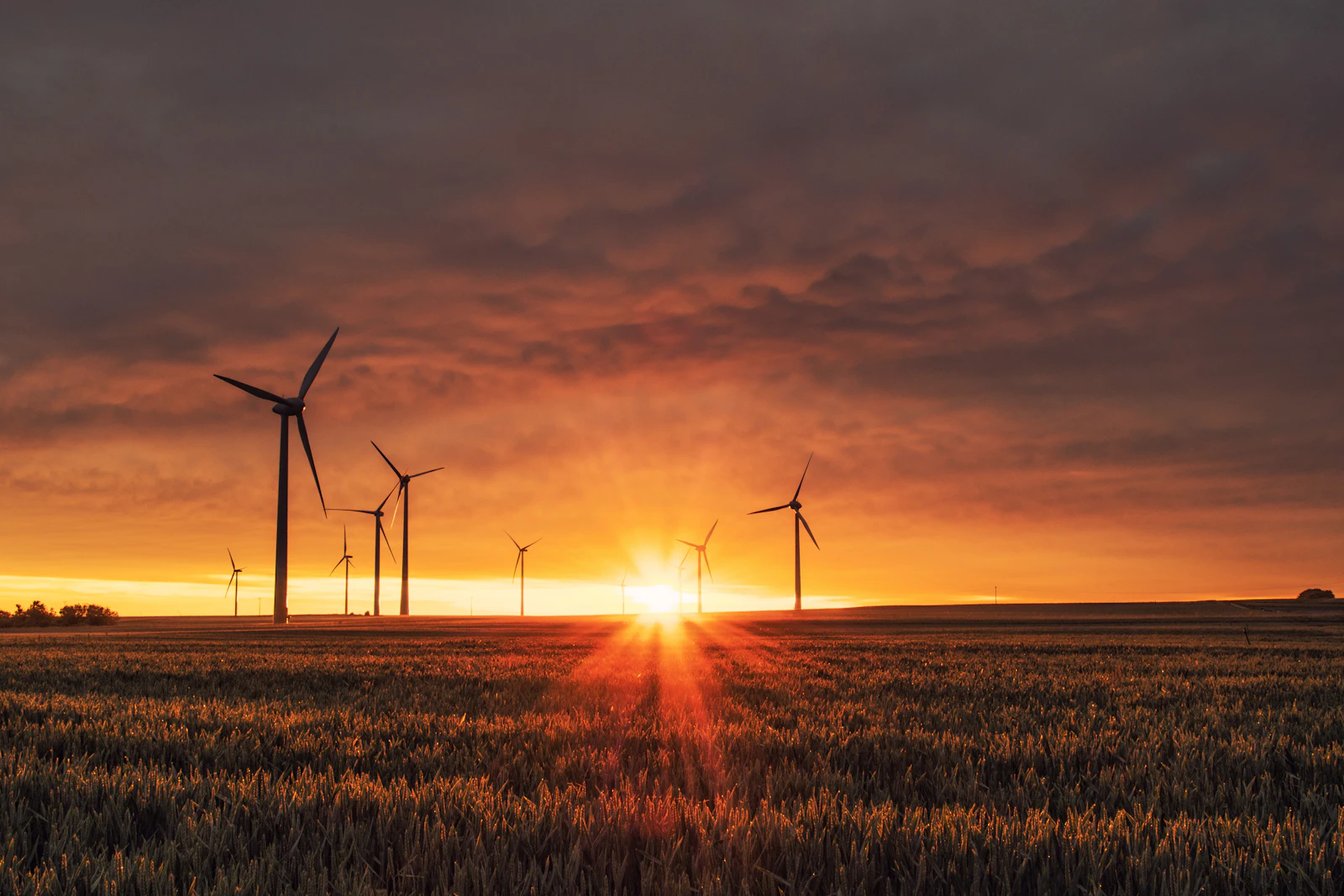
Why farms are natural candidates for solar
The load matches the sun
Irrigation runs in daylight. Pumps lift water when the day is warm. Pack houses grade and cool produce through working hours. That daytime bias is the dream scenario for solar: your panels generate exactly when your equipment is drawing, so a large share of your consumption can come straight off the array without even touching a battery. Compared with a suburban home that does most of its living after dark, a farm converts sunlight to savings with far less storage.
Diesel is the real enemy
For many farms the biggest number isn't the Eskom bill — it's the diesel account. Generators keep pumps and cold rooms alive through outages, but they burn fuel by the litre, need servicing, and fail at the worst moments. Every hour the genny runs is money evaporating into the air. Solar with battery backup displaces a huge chunk of that runtime, and the fuel it saves is money that stays in the business season after season.
Space you actually have
Roof area on barns, sheds and pack houses, plus ground-mount options on unproductive land, mean farms rarely face the space constraints that limit residential systems. More area means a bigger array, which means more of your load covered.
The loads that matter on a farm
Boreholes and irrigation pumps
Water is usually the heart of the operation. Borehole and irrigation pumps are driven by large electric motors, and motors have a catch: they draw a big surge of current at start-up — often several times their running load. The inverter has to be sized to handle that inrush, not just the steady draw. Get this wrong and the system trips every time a pump kicks in. This is exactly the kind of detail a proper agricultural site assessment is built to catch.
Cold storage and pack houses
Cold rooms and refrigeration run long hours and cannot be allowed to fail — spoiled stock is money on the floor. These are strong candidates for a solar-plus-battery design so the compressors ride through load-shedding without a generator. Pack-house lighting, grading lines and conveyors add a steady daytime load that solar covers cleanly.
Dairy, poultry and processing
Milking parlours, egg-handling, ventilation fans and processing equipment all demand reliable, uninterrupted power. For livestock especially, ventilation failure during a heatwave blackout is a genuine welfare and financial risk — another reason battery backup earns its keep.
Not sure which system you need?
Get a free, no-obligation quote — sized to your home, your usage and your budget. It only takes a minute.
Get your free quote →Section 12B: real tax relief for farmers
Farming is a business, and a solar installation used to produce income qualifies under Section 12B of the Income Tax Act. That means a farming enterprise can deduct the cost of the system against its taxable income, cutting the tax bill and lowering the true, after-tax cost of going solar.
For a profitable farming operation, this is significant. It turns a capital project into one the tax system actively subsidises. As always, the benefit only helps a business paying tax on real profit, and the mechanics depend on how your farming entity is structured — so bring your accountant or tax practitioner into the conversation early. But for most established operations, Section 12B meaningfully shortens the payback.
Sizing and designing a farm system
Hand over a year of data
The foundation of a good design is your consumption history — ideally 12 months of electricity accounts plus your diesel spend. Farm load is seasonal: irrigation peaks in summer, some operations peak at harvest. The system should be designed around your real annual pattern, not a single month, so it performs when you need it most.
Match the system to the priority
Not every farm needs the same balance of panels and batteries. If your priority is slashing daytime pumping and irrigation costs, a large array with modest storage does the job. If it's protecting cold storage and livestock through outages, storage carries more weight. A good installer designs for your actual priority rather than selling a one-size box.
Alumo's business packages
For agricultural loads, Alumo's commercial tiers scale to the job:
- Energy Efficiency — an 80kW inverter, around 120kWh of battery and a 50.05 kWp array, from about R18,000/month. Suited to a mixed farm running irrigation, a pack house and cold storage.
- Powerhouse — a 125kW inverter, around 261kWh of battery and a 100.1 kWp array, from about R34,000/month. Built for large operations: extensive irrigation, big cold chains, processing and packing at scale.
Both figures are indicative and finalised after a site assessment that accounts for your pumps, motors and phase supply. Get a free quote → to have a design built around your specific loads.
Finance and the practical path
Farming cash flow is seasonal, and few operations want to lock a large lump sum into infrastructure before the crop is in. Alumo's commercial packages are structured as monthly plans, converting a big capital outlay into a predictable operating cost — one that lines up against the diesel and Eskom spend it replaces. Combined with the Section 12B deduction, the after-tax economics often look strongly in solar's favour.
A word on the practicalities: grid-tied systems must be registered as Small-Scale Embedded Generation (SSEG) with Eskom or your municipality, and rural three-phase supplies need a matched inverter setup. A reputable installer handles the registration and the technical design as part of the project.
Curious what the numbers look like for your operation? Get a free quote → and start with a free, no-obligation assessment.
Frequently asked questions
Can solar run my borehole and irrigation pumps?
Yes, but the design has to account for motor start-up surge — the brief spike of current a pump draws when it switches on, often several times its running load. The inverter is sized to handle that inrush so the system doesn't trip. This is standard for a proper agricultural installation, which is why a site assessment matters.
Will solar replace my diesel generator?
For most farms, solar with battery storage displaces the large majority of generator runtime, and in many cases removes the day-to-day dependence on diesel entirely. Some operations keep a generator as a rare last-resort backup, but the fuel and maintenance savings from running it far less are usually one of the biggest wins of the whole project.
Does Section 12B apply to farming businesses?
Yes. A solar installation used in producing income — which farming clearly is — qualifies for the Section 12B deduction against taxable income. The benefit applies to an operation making taxable profit, and the specifics depend on your entity structure, so confirm the detail with your tax practitioner before you commit.
Do I have enough space for a big system?
Almost certainly. Farms typically have abundant roof area on barns, sheds and pack houses, plus ground-mount options on land that isn't productive. Space is one of the few things agriculture rarely lacks, which is part of why farm solar arrays can be so generously sized.
Who supplies, installs and finances the system?
Alumo supplies, installs, finances and warrants the system, including the commercial packages suited to farms. SolarGuide is an independent referral partner — we help you compare options and get a free quote. All pricing is indicative and subject to a site assessment and credit approval.
SolarGuide is an independent referral partner. We help you compare options and arrange a free quote — Alumo supplies, installs, finances and warrants the systems. Pricing is indicative, sourced from Alumo’s published catalogue, and subject to a site assessment and credit approval.